
What Is TWIA Insurance and Do I Need It?
If you’re buying a home in Rockport, Texas, you’ll probably hear the term TWIA during the homebuying or insurance process. But what exactly is it, and do you need it to protect your coastal property?
TWIA stands for the Texas Windstorm Insurance Association. It provides windstorm and hail insurance for eligible Texas coastal properties when owners cannot obtain that coverage through the private insurance market.
Because Rockport is in Aransas County, an area within TWIA’s designated coverage territory, understanding windstorm insurance is an important part of preparing for coastal homeownership.
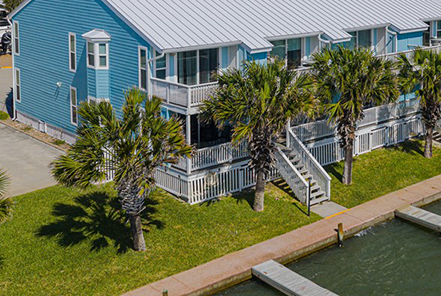
What Does TWIA Insurance Cover?
TWIA policies cover eligible property damage caused directly by wind and hail. This can include damage from hurricane-force winds and other covered windstorm events, subject to the terms, limits, and exclusions of the policy.
Depending on the policy, eligible residential coverage may include the dwelling and certain personal property.
However, TWIA is not a complete homeowners insurance policy. It covers wind and hail damage only, so you’ll need to understand how the rest of your insurance coverage fits together.
Is TWIA Insurance Required in Rockport, Texas?
Texas law does not generally require every homeowner to purchase windstorm insurance. However, if you’re financing a home, your mortgage lender will likely require appropriate windstorm coverage.
Whether you need a TWIA policy specifically depends on your situation. Some homeowners can obtain wind and hail coverage through a private insurance company. Others may need to turn to TWIA because private insurers have declined to provide that coverage.
To qualify for TWIA, applicants and properties must meet eligibility requirements. These generally include:
- The property must be within TWIA’s designated coverage area.
- The applicant must have been denied windstorm coverage by at least one eligible private-market insurer.
- The property must meet applicable building-code and certification requirements, subject to certain exceptions.
- The property must satisfy TWIA’s underwriting requirements
- Flood insurance may also be required for certain properties.
A licensed insurance agent can help determine which options are available for a specific home.
What’s the Difference Between TWIA, Homeowners Insurance, and Flood Insurance?
These policies serve different purposes, and understanding the differences is especially important along the Texas coast.
Homeowners insurance:
Typically covers risks such as fire, theft, and certain other types of property damage. Whether wind and hail are included depends on the policy.
TWIA insurance:
Provides windstorm and hail coverage for eligible properties when private-market coverage is unavailable. It does not cover flooding, storm surge, or other unrelated causes of loss.
Flood insurance:
Helps cover eligible damage caused by flooding, subject to the policy’s terms and exclusions. It is generally purchased separately through the National Flood Insurance Program or a private insurer.
A homeowner may need multiple policies to protect against different risks. Don’t assume your homeowners policy covers windstorm damage or that TWIA covers flood damage. Ask your insurance agent to explain any gaps, exclusions, and deductibles.
What Is a Windstorm Certificate, and Why Does It Matter?
When buying or renovating a coastal home, you may hear about a windstorm inspection or a WPI-8 Certificate of Compliance.
In Texas, the Texas Department of Insurance administers the Windstorm Inspection Program. A certificate can document that eligible construction or improvements comply with applicable windstorm building-code requirements.
For certain properties, this documentation is important to obtaining or maintaining TWIA coverage.
If you’re considering an older home, a property with a new roof, or a house that has undergone renovations, ask whether the required windstorm documentation is available. Don’t assume that a recently completed roof automatically has the certification you may need.
You can learn more through the Texas Department of Insurance Windstorm Inspection Program.
How Do I Get TWIA Insurance?
Start with a licensed Texas property insurance agent. Your agent can review the home’s location, age, roof, construction history, and existing insurance arrangements to determine your options.
Here are a few practical steps:
1. Ask about windstorm coverage early.
Find out whether a private insurer can include wind and hail coverage in your homeowners policy.
2. Confirm TWIA eligibility if needed.
If private coverage is unavailable, ask your agent whether the property qualifies for TWIA.
3. Review the property’s documentation.
Ask about applicable windstorm certificates and records for renovations or repairs.
4. Compare coverage and deductibles.
Understand the insured amount, exclusions, and any separate windstorm deductible.
5. Address flood insurance separately.
Ask whether flood coverage is advisable or required for the property.
6. Don’t wait until a storm approaches.
Coverage may be unavailable when a hurricane is in the Gulf of Mexico or other binding restrictions apply.
You can learn more about eligibility and coverage directly from the Texas Windstorm Insurance Association.
What Should Rockport Homebuyers Know Before Closing?
Insurance is an important part of the true cost of owning a coastal home. Before closing, make sure you know which policies you’ll need, what each policy covers, and whether the property meets the requirements for the coverage you’re planning to purchase.
Ask your insurance agent for property-specific quotes as early as possible. Also confirm any insurance requirements with your mortgage lender before your closing deadline.
Whether you’re looking at a waterfront home, a property near Copano Bay, or a neighborhood farther inland, it’s worth understanding your insurance options before making a final decision.
The Bottom Line
You may need windstorm insurance to protect your Rockport home, but you don’t necessarily need a TWIA policy if suitable coverage is available through a private insurer.
The important thing is to confirm that your property has appropriate wind and hail protection, understand how flood insurance fits into the picture, and make sure your coverage meets your lender’s requirements.
Thinking about buying a home in Rockport or Fulton?
Buying in Rockport or Fulton means understanding more than the purchase price. From windstorm coverage to flood risk, knowing the right questions to ask can help you prepare for coastal homeownership.
Let’s find your place on the coast.
Disclaimer: This article is for general educational purposes only and is not insurance, legal, or engineering advice. Coverage, eligibility, building-code requirements, and lender conditions vary. Confirm the details for your property with a licensed insurance agent, your lender, TWIA, or the Texas Department of Insurance.