
Can I Use a Rockport Home as a Short-Term Rental?
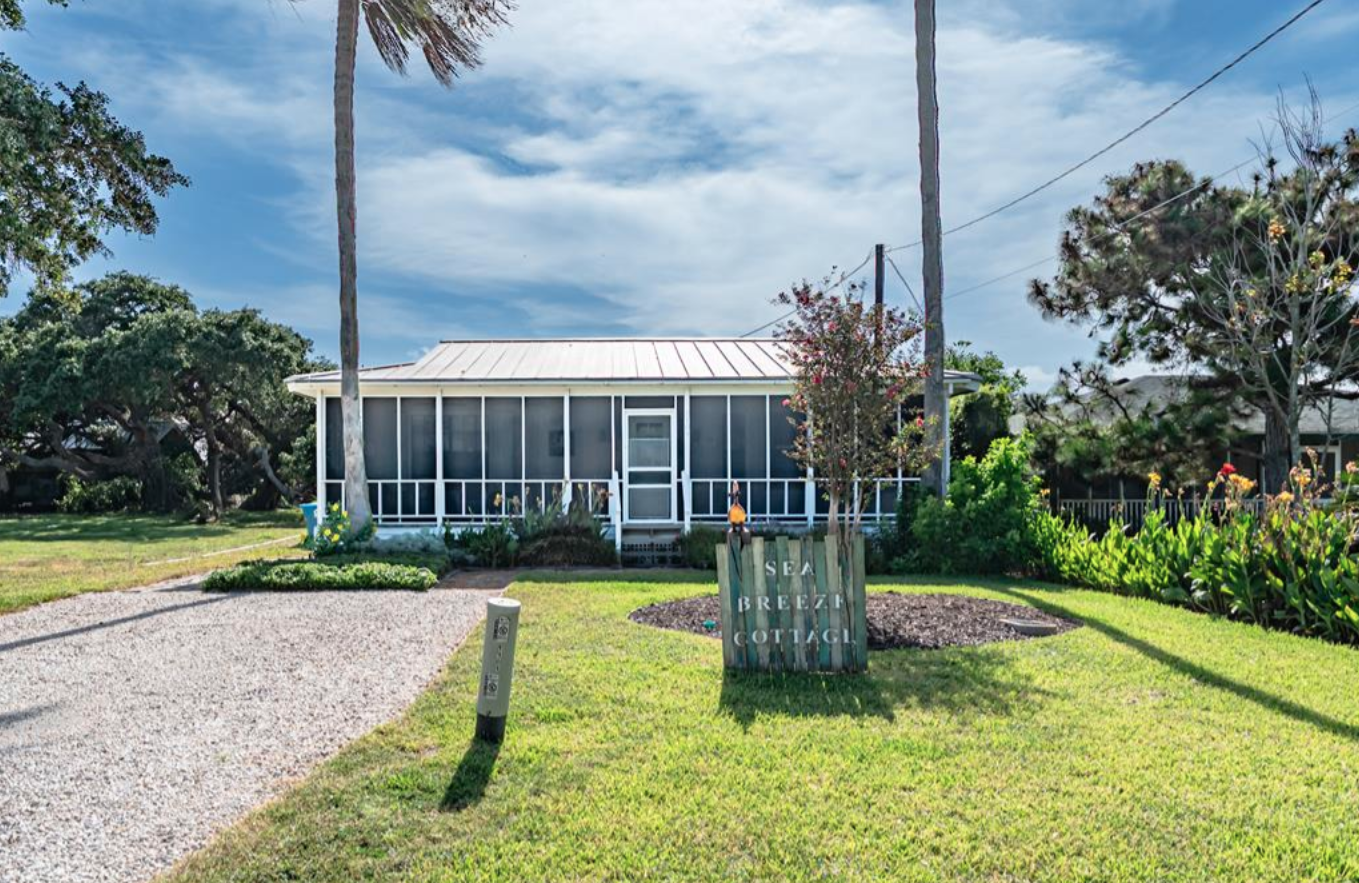
Thinking about buying a vacation home in Rockport, Texas, or turning a property you already own into a short-term rental? A coastal vacation rental can offer flexibility for personal use and the potential to earn rental income, but there are a few important things to understand before getting started.
Yes, a home in Rockport may be used as a short-term rental, but owners must meet applicable City of Rockport registration and operating requirements. Property restrictions, insurance, taxes and ongoing expenses also need to be considered. Not every property will be equally suitable for vacation rentals, so it’s important to research the specific home before making a purchase or investment decision.
Here’s what prospective buyers and property owners should know about short-term rentals in Rockport and the surrounding Coastal Bend.
Check Rockport’s Short-Term Rental Requirements
The City of Rockport has an established registration process for privately owned homes used as short-term rentals.
According to the city’s current guidance, new short-term rental properties must complete registration before operating. The city’s ordinance also addresses registration before advertising a property for short-term rental use.
Owners should review the current requirements directly with the city before listing a property or accepting guests.
Start with the official City of Rockport Short-Term Rentals page, which provides registration information and access to the city’s online registration portal.
Depending on the property’s circumstances, requirements may include registration documentation, a designated local contact person, displaying the assigned permit number in advertisements and complying with guest-safety and operating rules.
Don’t assume that a property is ready to rent simply because it was previously advertised as a vacation rental. Verify its current registration status and applicable requirements.
Check HOA, POA and Property Restrictions
City registration is only one part of the process.
Before purchasing a home specifically for vacation rental use, review any applicable deed restrictions, subdivision covenants, homeowners association (HOA) rules or property owners association (POA) requirements.
Some communities may have restrictions affecting rental duration, guest occupancy or rental activity. The rules applicable to one neighborhood may differ from those in another.
If you’re considering a home in a waterfront subdivision or planned community, ask for the governing documents and verify that your intended rental use is permitted.
The important question isn’t just whether short-term rentals are allowed in Rockport. It’s whether they’re permitted for the particular property you’re considering.
Understand Hotel Occupancy Taxes
Short-term rental income can come with tax responsibilities.
Texas generally imposes a 6% state hotel occupancy tax on qualifying short-term accommodations. Local hotel occupancy taxes may also apply.
Whether Airbnb, Vrbo or another booking platform collects and remits the state tax on your behalf depends on the platform’s arrangements. You should also verify local tax obligations rather than assuming that a booking platform handles every requirement.
For current state guidance, visit the Texas Comptroller’s Hotel Occupancy Tax FAQs.
Because tax requirements and individual circumstances can vary, consider consulting a qualified tax professional before launching a rental business.
Review Insurance Before You Buy
Insurance is especially important for properties along the Texas coast.
Before purchasing a property for short-term rental use, talk with an insurance professional about coverage for the home’s intended use. A policy designed for an owner-occupied primary residence may not provide the coverage you need for a vacation rental.
Depending on the property, you may need to consider:
- Homeowners or dwelling coverage appropriate for rental use
- Windstorm coverage
- Flood insurance
- Liability protection
- Coverage for furnishings, equipment and other rental contents
- Deductibles and exclusions related to storms or other covered events
The home’s location, construction, elevation, condition and previous storm history can all affect insurance availability and cost.
Obtaining quotes early helps you build a more realistic budget before committing to a purchase.
Calculate the Full Cost of Operating a Vacation Rental
Rental income is only one side of the equation. To understand whether a property could work as an investment, estimate both revenue and operating expenses.
Depending on the property and management arrangement, expenses may include:
- Mortgage principal and interest
- Property taxes
- Insurance
- Utilities and internet
- Cleaning and laundry
- Repairs and routine maintenance
- Furniture, linens and replacement supplies
- Booking platform and payment fees
- Property management fees
- Registration and applicable tax-compliance costs
- Landscaping, pool care or waterfront maintenance
- Periods when the property is vacant
Coastal properties may also require additional maintenance due to salt air, humidity, storms and exposure to the elements.
Rather than basing a purchase decision on advertised nightly rates, estimate annual income under several occupancy scenarios and subtract realistic expenses. Remember that gross booking revenue is not the same as profit.
Consider Location, Amenities and Guest Appeal
Rockport attracts visitors interested in fishing, boating, beaches, birding, art, dining and a relaxed coastal atmosphere. The features that appeal to guests will depend on the type of visitors you’re hoping to attract.
When evaluating a potential rental property, consider:
- Proximity to Rockport Beach, downtown and local attractions
- Access to fishing, boating and boat launches
- Number of bedrooms and bathrooms
- Parking and guest capacity
- Outdoor living space
- Pet-friendly options, where permitted
- A functional kitchen and comfortable furnishings
- Reliable air conditioning and internet
- Ease of cleaning and maintenance
Waterfront access, a pool or a boat lift may appeal to certain guests, but these features can also increase purchase costs, insurance needs and maintenance responsibilities.
Think about the experience you want to offer guests, and evaluate whether the property’s features support that plan.
Account for Seasonality and Rental Demand
Short-term rental demand can change throughout the year. Summer vacations, fishing trips, holidays and special events may create different booking patterns from quieter periods.
Your property’s location, amenities, pricing, reviews, competition and marketing can all influence its performance.
Before relying on projected rental income, research comparable properties and look for data that reflects the specific area, property type and time period you’re evaluating.
Ask questions such as:
- What are comparable properties charging?
- How does occupancy vary by season?
- What expenses are included in the quoted management fee?
- How much time will you need to manage bookings and guest requests?
- Can the property cover its expenses during slower periods?
A realistic financial plan should account for both busy seasons and periods when bookings may be limited.
Decide Whether You’ll Manage the Property Yourself
Some owners enjoy handling guest communication, scheduling cleaners, coordinating maintenance and managing bookings. Others prefer to hire a property manager.
Self-management may reduce management fees, but it requires time, organization and a reliable local support network. Professional management may make ownership easier, but fees and service levels vary.
Before purchasing, decide how involved you want to be and factor the cost of your preferred arrangement into your projections.
If you live outside the Coastal Bend, consider who will respond when a guest has a problem, a repair is needed or severe weather affects the property.
Is a Rockport Short-Term Rental Right for You?
A vacation rental can be an appealing way to combine personal enjoyment of the Texas coast with a potential investment opportunity. However, success depends on more than finding a charming coastal home and putting it on a booking platform.
Before moving forward, confirm that the intended use is permitted, investigate registration and tax requirements, obtain appropriate insurance quotes and build a realistic operating budget.
If you’re exploring investment properties in Rockport, Fulton or the surrounding Coastal Bend, understanding these details before making an offer can help you evaluate your options more confidently.
Thinking about buying a vacation home or investment property in Rockport?
Explore current Coastal Bend homes for sale or contact Neli Spurrell to discuss your property goals.
This article is for general educational purposes and is not legal, tax, insurance or financial advice. Short-term rental requirements, taxes, insurance policies and local restrictions may change. Verify current requirements with the appropriate authorities and consult qualified professionals regarding your individual circumstances.