
Coastal Bend Real Estate FAQs 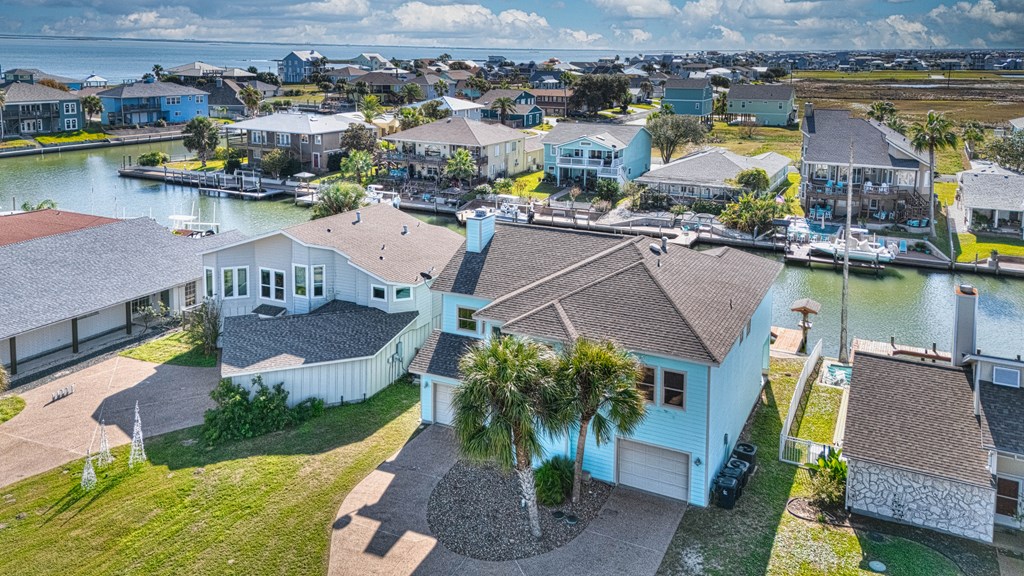
Your Questions About Buying and Selling on the Texas Coast, Answered
Buying or selling real estate along the Texas Coastal Bend comes with questions that don’t always apply to inland properties.
How does flood insurance work? What should you know about windstorm coverage? Is a waterfront home more expensive to maintain? Can you use a Rockport property as a short-term rental? What should you look for when buying a home with a boat lift, dock or seawall?
Your Key to the Coast, Neli Spurrell, Realtor®, believes an informed buyer or seller is better prepared to make confident real estate decisions.
Browse this collection of Coastal Bend real estate FAQs for practical information about buying, selling and owning property in Rockport, Fulton and surrounding Texas Coastal Bend communities.
Buying a Coastal Bend Home
Whether you’re looking for a full-time residence, vacation home, waterfront retreat or investment property, buying along the Texas Coast requires a little extra due diligence.
Getting Started
- How do I get started buying a home in the Texas Coastal Bend?
- How much home can I afford in Rockport, Fulton or the Coastal Bend?
- Do I need to get pre-approved before looking at homes?
- How much should I budget for closing costs when buying a home in Texas?
- What should I look for when choosing a Coastal Bend Realtor®?
- Can I buy a home in Rockport if I’m moving from out of state?
- Can I buy a coastal home as a second home or vacation property?
- Can I buy a Coastal Bend property as an investment?
Choosing the Right Property
- What should I consider differently when buying a coastal home compared with an inland home?
- What should I look for when buying a waterfront home in Rockport?
- What should I know before buying a canal-front home?
- What should I know about boat access when buying a waterfront property?
- What should I inspect on a home with a boat dock or boat lift?
- What should I know about bulkheads and seawalls before buying waterfront property?
- How important is an elevation certificate when buying a coastal property?
- How do I check a property’s flood zone before buying?
- Does a home have to be directly on the water to have flood risk?
- What hidden costs should buyers expect when purchasing coastal real estate?
Selling a Coastal Bend Home
Selling a coastal property can involve considerations beyond price, condition and curb appeal. Waterfront features, insurance, storm history, rental use and coastal improvements can all be important parts of the conversation.Preparing Your Home for Sale
- What should I do before putting my Rockport home on the market?
- How do I know what my Coastal Bend home is worth?
- How should I price a waterfront home in Rockport?
- Should I make repairs before selling my coastal home?
- Which improvements can help a coastal home appeal to buyers?
- Should I stage my coastal home before listing it?
- Should I sell my coastal home furnished or unfurnished?
- What should I know about selling a vacation or investment property?
- How long does it usually take to sell a home in Rockport?
Coastal Seller Questions
- What information do I need to disclose when selling a Texas home?
- What should I disclose about previous hurricane or storm damage?
- What should I disclose about flood damage or previous flooding?
- How does flood insurance affect selling a coastal property?
- What should sellers know about windstorm insurance and TWIA?
- What happens if my home is damaged by a storm while it’s under contract?
- What should I know about selling a home with a seawall, dock or boat lift?
- What should I know about selling a property that has been used as a short-term rental?
Flood, Wind & Coastal Insurance
Insurance is one of the biggest differences between buying property on the Texas Coast and buying farther inland. Understanding flood zones, windstorm coverage, elevation and insurance costs before making an offer can help buyers avoid surprises later.
- Do I need flood insurance if my Rockport home isn’t directly on the water?
- Is flood insurance required for every Coastal Bend home?
- Does homeowners insurance cover flooding?
- What is the difference between flood insurance and windstorm insurance?
- What is TWIA insurance?
- How do I know if a home qualifies for TWIA coverage?
- What is a windstorm certificate of compliance?
- What is a WPI-8 or WPI-8-E certificate?
- Can a home’s previous improvements affect TWIA eligibility?
- How much does flood insurance cost for a home in Rockport?
- Should I get an insurance quote before making an offer?
- Can a home be outside a FEMA flood zone and still flood?
- How can I check the flood zone for a Rockport property?
- What is an elevation certificate and why does it matter?
- How does a home’s elevation affect flood insurance?
- What questions should I ask about a home’s previous flood or storm damage?
Waterfront & Coastal Property
Waterfront ownership is one of the biggest draws of living on the Texas Coast — but it also comes with its own set of questions. From boat access and seawalls to salt air and coastal maintenance, here’s what prospective waterfront buyers should know.
- What are the advantages of buying waterfront property in Rockport?
- What are the challenges of owning waterfront property?
- What should I know before buying a canal-front home?
- What should I know about boat lifts when buying a home?
- Who maintains a seawall or bulkhead?
- How often should a coastal seawall be inspected?
- What should I look for when inspecting a pier or dock?
- Does waterfront access affect a home’s value?
- Does a canal’s depth matter when buying a waterfront home?
- What should boat owners ask before buying a canal property?
- Can I add a boat lift or dock to a waterfront property?
- Do I need permits for waterfront improvements?
- What should I know about coastal erosion?
- How does salt air affect a coastal home?
- What coastal-home maintenance should owners plan for each year?
- Are waterfront homes harder to finance or insure?
Vacation Homes, Investment Properties & Short-Term Rentals
For many Coastal Bend buyers, a home isn’t just a place to live. It may also be a vacation retreat, seasonal residence or income-producing property. Before buying with rental income in mind, it’s important to understand the property’s location, expenses, regulations and realistic rental potential.
- Is Rockport a good place to buy a vacation home?
- Can I rent my Rockport home as a short-term rental?
- Are short-term rentals allowed everywhere in Rockport?
- What are the short-term rental registration requirements in Rockport?
- Do I need a permit or registration to operate a vacation rental?
- What should I know before buying a home specifically for Airbnb or VRBO?
- How do I evaluate the rental potential of a Rockport property?
- What expenses should I include when calculating vacation-rental income?
- How does seasonality affect a Coastal Bend vacation rental?
- Should I buy a furnished home as an investment?
- What features make a coastal home attractive to vacation renters?
- Can I live in a vacation rental part of the year and rent it the rest?
- What taxes apply to short-term rentals in Texas?
- What should I know about HOA or POA restrictions on short-term rentals?
- What should investors look for beyond the advertised rental income?
The Texas Coastal Bend Buying & Selling Process
Once you’ve found the right property, there are still plenty of questions between making an offer and getting the keys. These guides cover the practical steps involved in buying and selling Texas real estate, with special attention to coastal properties.
- How long does it usually take to close on a coastal property?
- What happens after my offer is accepted?
- What inspections should I consider when buying a coastal home?
- Do I need a home inspection if I’m buying a waterfront property?
- Should I have the dock or boat lift inspected separately?
- What happens if an inspection finds storm damage?
- What happens if the appraisal comes in below the purchase price?
- How does financing work for a second home?
- Are investment-property loans different from primary-residence loans?
- What should I know about financing a waterfront home?
- What is earnest money in a Texas real estate transaction?
- What is an option period?
- What contingencies should buyers consider?
- What happens if a property is damaged by a hurricane while I’m under contract?
- What happens if insurance can’t be obtained before closing?
- What happens during the final walkthrough?
- What costs should I expect at closing?
Coastal Lifestyle
Real estate in the Coastal Bend is about more than the house itself. Location, recreation and everyday convenience can play a major role in deciding where, and how, you want to live.
- Can I use a golf cart around Rockport and Fulton?
- Which Rockport neighborhoods are close to the bay?
- What areas of Rockport are convenient for boating and fishing?
- How close are Rockport homes to Rockport Beach?
- What should I know about living near the water year-round?
- What should I consider when relocating to Rockport?
- What should seasonal residents know about owning a home on the Texas Coast?
Have More Questions?
Every property is different, especially along the Texas Coast. Flood zones, insurance requirements, waterfront features, rental regulations, property condition and location can all affect a real estate decision. If you’re considering buying or selling in Rockport, Fulton, Port Aransas or the surrounding Coastal Bend, Neli Spurrell can help you understand the local factors that matter.
Whether you’re searching for a waterfront retreat, vacation home, investment property or a place to call home year-round, let’s talk about what you’re looking for.